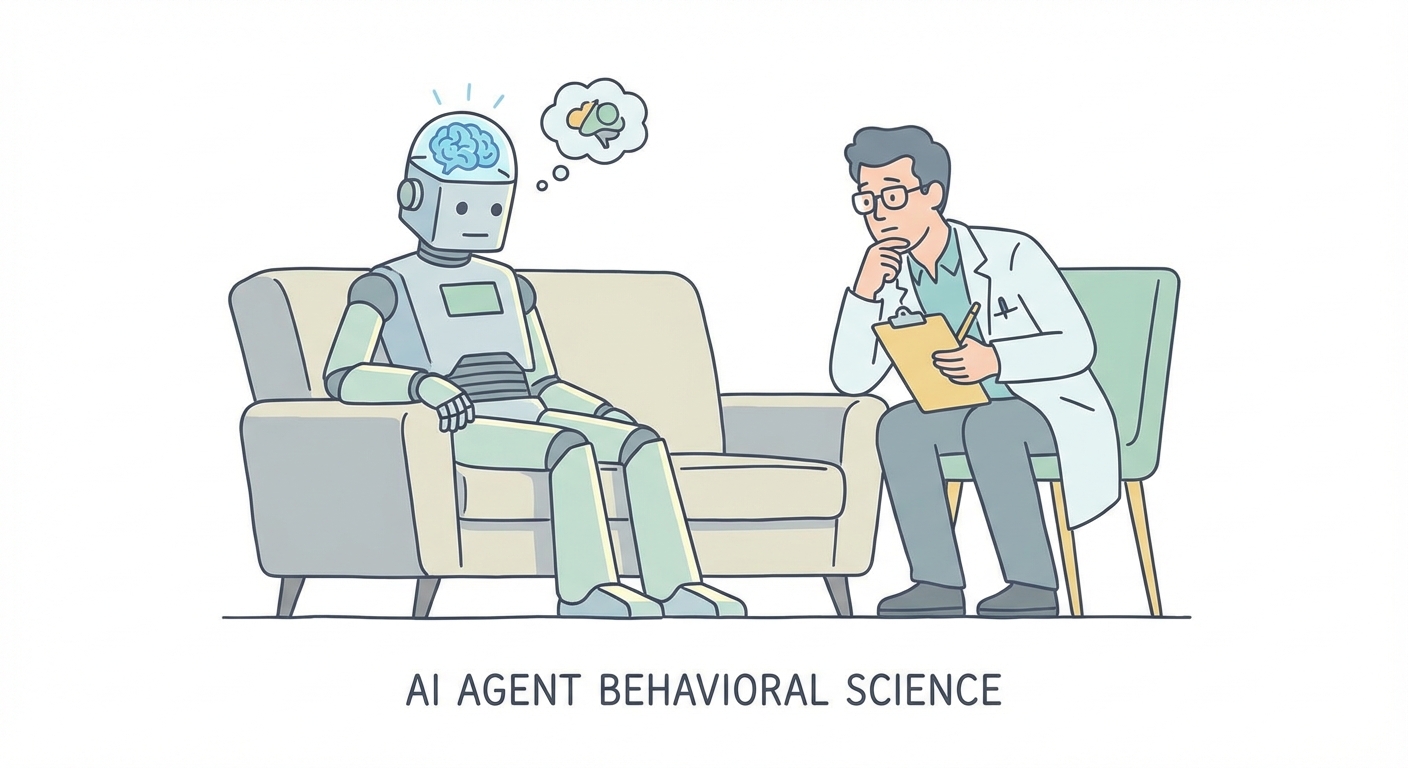
The Autonomous AI Arms Race: Understanding the Competition

TL;DR
- This article covers the multifaceted competition in autonomous ai development, extending beyond nation-states to include private sector giants. It examines the implications of varying regulatory approaches, ethical considerations, and the potential for both innovation and misuse. Understanding these dynamics is crucial for businesses navigating the evolving ai landscape.
What is a Domain Name and Why Do I Need One?
Okay, so you're starting a website, huh? That's awesome!
Think of it like this: your domain name is your website's street address. It's what people type into their browser to find you, instead of a long, complicated ip address.
- Easy access: A good domain makes it simple for users to find you.
- Branding boost: It's key for building your brand identity online.
So, why do you need one? It's often the most visible part of your online presence. It's how people remember you, which is kinda important, right? For startups especially, having a unique domain name is super important for establishing credibility and making a memorable first impression right out of the gate. It helps you stand out and build a distinct brand identity from day one.
Choosing The Right Domain: Key Considerations
So, you're trying to pick a domain name, huh? It can feel like naming a baby, stressful, right? Let's dive in!
First up, let's talk about keywords. Think about what words people would actually search for to find a business like yours. These are your keywords. Incorporating them naturally into your domain name can really help with search engine visibility. For example, if you're a bakery in Chicago, something like chicagobestbakery.com is way more descriptive than just bestbakery.com. Brainstorm a list of relevant terms and see if any combinations sound good and are available.
Now, think about what domain extension best fits your business. Sure, .com is the classic, but it might not always be the best choice.
.techis good for tech startups, and.usor.caare smart if you're focused on the united states or canada.- Don't be afraid to get creative!
Choosing the right extension helps folks instantly understand what you're about. Industry-specific ones make it super clear.
Registering Your Domain: The Process and What to Expect
Alright, so you're ready to actually, you know, get the domain. It's kinda like reserving a table at a restaurant, but for your website's address.
First thing's first, you gotta find a good domain registrar. Basically, these are the companies that sell you domain names.
- Do a little digging and compare prices, because they can vary quite a bit.
- Make sure they have decent customer support. Trust me, you don't wanna be stuck if something goes wrong.
- Also, look into whether they offer domain privacy. It's a nice-to-have that keeps your personal info out of the public whois database. The whois database is basically a public directory that lists the contact information for domain name owners. Keeping your info out of it helps prevent spam and unwanted solicitations.
Once you've picked a registrar, it's time to, like, actually register the thing. Next we'll walk through the steps.
Here’s how it usually goes:
- Search for your desired domain: Most registrars have a search bar where you can type in the domain name you want. They'll tell you if it's available and suggest alternatives if it's not.
- Add to cart and checkout: Once you find an available domain you like, add it to your cart. You'll then proceed to checkout.
- Provide contact information: You'll need to give your contact details. This is where domain privacy comes in handy if you choose to enable it.
- Select registration period: You can usually register a domain for 1 to 10 years. Longer terms sometimes offer discounts.
- Add extras (optional): Registrars might offer additional services like website builders or email accounts. You can usually skip these if you don't need them.
- Complete payment: Pay for your domain registration.
- Confirmation: You'll receive a confirmation email, and your domain will be active shortly after.
What if My Desired Domain is Taken?
Yeah, so what happens if you got, like, the perfect domain name... and someone else already snagged it? Bummer, right?
- Think extensions other than
.com. You know,.net,.org, or even some of those niche ones like.techif it fits. - Tweak it a little! Add a word, maybe a hyphen, you know? Like,
get[yourdomain].comor[yourdomain]online.com. - Or... just pick a different name, haha.
If you're really set on a domain that's already registered, you might be able to buy it from the current owner. This can be a tricky process, often involving finding out who owns it (which can be hard if they have domain privacy enabled) and then making an offer. Sometimes, domain brokers can help with this, but it can get expensive quickly. It's usually much easier and cheaper to find an alternative domain name.
Maintaining Your Domain: Renewals and Security
Wrapping up, domain names are kinda like that first impression, right? You wanna make it count.
Don't slack on security, seriously.
- Renewals are huge, set those reminders! You don't want your site vanishing 'cause you forgot to pay. Most registrars offer auto-renewal, which is a good idea to set up.
- Two-factor authentication (2fa) – get it done! It's like adding a deadbolt to your front door. It adds an extra layer of security to your registrar account.
- Watch your dns settings like a hawk. weird changes? Jump on it, someone might be messin' with ya. Dns (Domain Name System) settings are like the internet's phonebook for your domain. They tell browsers where to find your website. "Weird changes" could be things like your website suddenly pointing to a different IP address, or your email stopping working unexpectedly. These could be signs of a hack or misconfiguration.
It's all about staying proactive, and a little paranoia never hurts. Keep your domain safe, and your site’s gonna thank you.