The Belief-Desire-Intention Ontology for modelling mental ...

TL;DR
- This article cover how the BDI framework helps companies build ai agents that actually think like humans. We explore the core components of beliefs, desires, and intentions to show how they drive better business automation and smarter decision making. You will learn why this ontology is the secret sauce for enterprise ai scaling and more efficient workflows.
Introduction to the BDI architecture for business
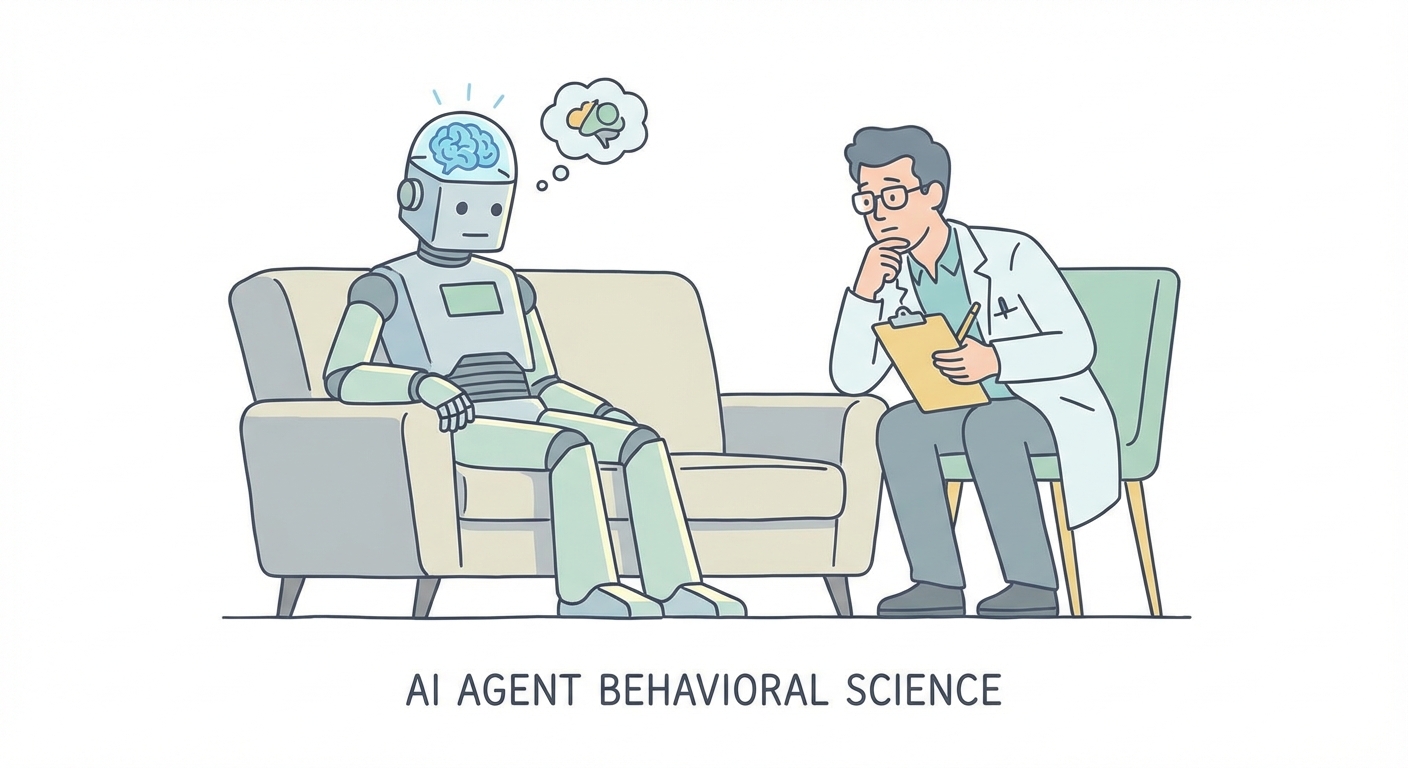
Ever wonder why your "smart" automation still feels like a toaster that sometimes burns the bread? It's usually because most software just follows a script, but the BDI architecture actually tries to give ai a bit of a "mind" to work with.
Basically, BDI stands for Beliefs, Desires, and Intentions. It's a way of organizing how an agent thinks so it doesn't just crash when something unexpected happens.
- Beliefs: This is what the agent thinks it knows about the world. Like, a healthcare bot might "believe" a patient's heart rate is high based on sensor data. It's not always 100% true, but it's what the api is telling it.
- Desires: These are the goals. A retail bot might "desire" to clear out old inventory while keeping margins high. Desires can clash, which is why we need the next part.
- Intentions: This is the "get it done" phase. The agent picks a goal and commits to a specific plan, like sending a discount code to a loyal shopper in Boise.

Look, if you're running a bank or a logistics hub, you can't just rely on "if-then" logic anymore. It's too brittle. According to Gartner, agentic ai is a top trend for 2025 because these systems can actually adapt.
Instead of breaking when a shipment is late, a BDI-powered agent sees the delay (new belief), realizes it can't meet the delivery date (failed intention), and automatically pivots to a backup carrier (new intention). It makes the whole system more reliable because the ai isn't just a robot—it's a problem solver.
Now that we got the basics down, lets look at how these beliefs actually get formed in the first place.
Breaking down the components of the ontology
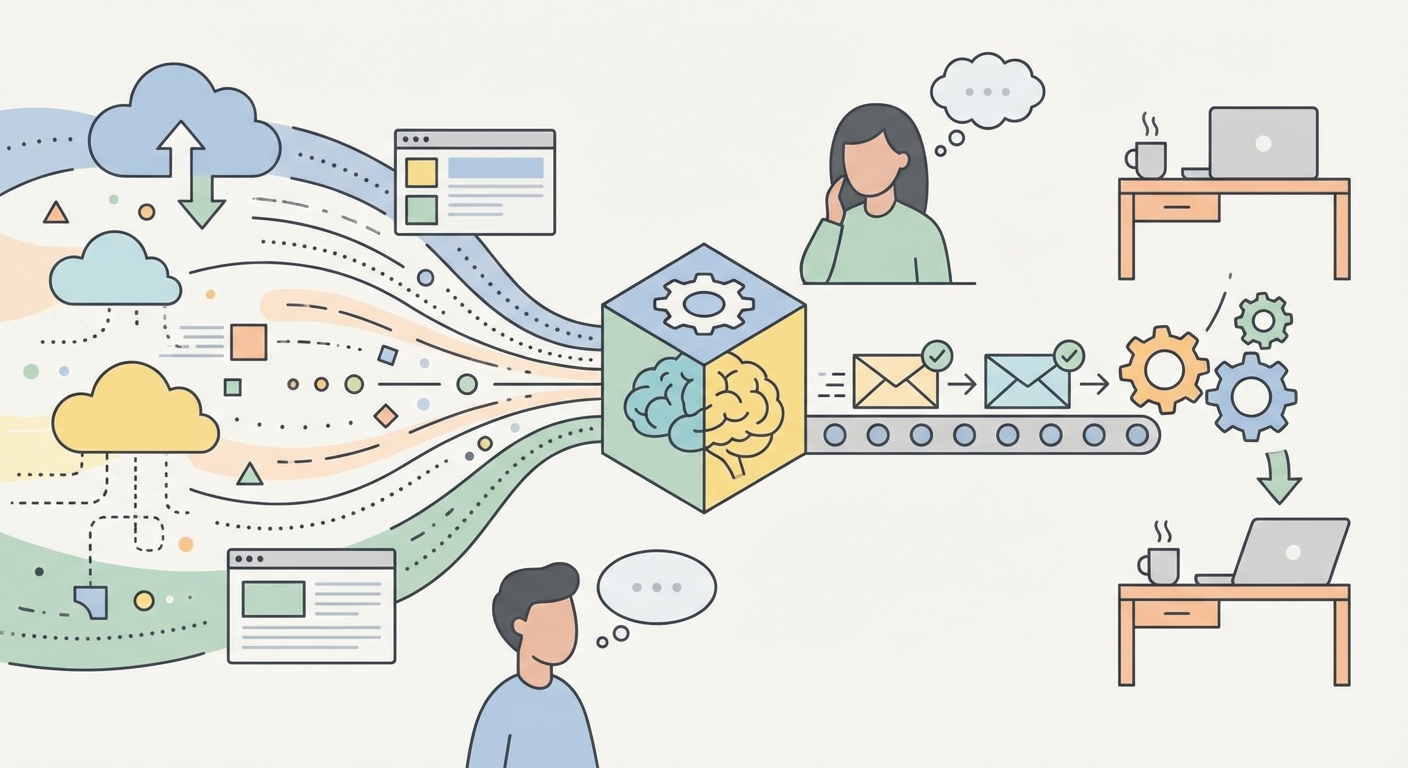
Think of an ai agent's "mind" like a messy desk. You’ve got sticky notes (beliefs), a wishlist of things you want to finish (desires), and the one project you’re actually typing away at right now (intentions).
Beliefs aren't just raw data sitting in a database; they are what the agent thinks is true about its environment right now. In a supply chain setup, an agent might "believe" a warehouse in Miami has 500 units of a product based on the last api call it made.
But things change fast, right? A storm hits, or a manual inventory count shows a discrepancy. The agent has to constantly update these beliefs. It’s a bit like how we realize we're out of milk only when we open the fridge—the agent needs a way to handle "uncertainty" without falling apart.
- Knowledge Storage: Agents use "belief sets" to keep track of facts. This isn't just a static list; it’s a dynamic map that updates as new info trickles in from sensors or user inputs.
- Handling Conflict: Sometimes two sources of info disagree. A smart system might prioritize a real-time sensor over a scheduled report, or it might flag the contradiction for a human.
- Industry Example: In finance, a fraud-detection agent "believes" a transaction is suspicious if the location doesn't match the user's typical patterns. If the user clears a 2FA check, that belief is updated to "verified."
Now, just because an agent wants to do something (desire) doesn't mean it should start doing it immediately. Desires are basically all the potential end-states the agent wants to reach. A customer service bot might desire to resolve a ticket quickly, keep the customer happy, and upsell a premium plan all at once.
Obviously, you can’t always do everything at the same time. That’s where intentions come in. An intention is a commitment. It’s when the agent stops window-shopping its desires and picks a specific plan to execute.
According to a report by Stanford University in their 2024 AI Index, the focus on "agentic" behavior is shifting from simple task completion to complex reasoning, which is exactly what this commitment logic handles.

The "secret sauce" is how long the agent sticks to its plan. If a healthcare bot is monitoring a patient and its intention is to "administer routine meds," but it suddenly gets a new belief that the patient's blood pressure is crashing, it needs to drop that intention immediately.
This is called "bold" vs. "cautious" commitment. A bold agent keeps going until the job is done, while a cautious one (better for high-stakes stuff like surgery or banking) checks its beliefs every few steps to see if the plan still makes sense.
Next up, we’re gonna look at how these agents actually talk to each other to get things done.
Implementing BDI in Enterprise AI Solutions
So, you’ve got the theory down, but how do you actually make this work in a real office without everything blowing up? It’s one thing to talk about "beliefs" and another to actually code them into your enterprise stack.
When we look at building these systems at Compile7, we aren't just slapping a chatbot on top of a database. We’re building agents that actually understand their job. Most companies just want "automation," but what they really need is an agent that can pivot when the data changes.
- Goal-Oriented Design: Instead of writing 10,000 "if-then" statements, we give the agent a high-level goal (a Desire). For example, "optimize warehouse space" rather than "move box A to shelf B."
- Mental Modeling: The agent maintains a "mental" map of your business logic. If a supplier goes bust, the agent updates its beliefs and automatically looks for a new way to hit its goals.
- Process Automation: This isn't just for simple tasks. We’re talking about complex workflows where the ai has to decide which tool to use and when to ask a human for help.
Honestly, the biggest hurdle isn't the tech—it's the trust. You have to be okay with the ai making some choices on its own. It's like hiring a new manager; you give them the objective and let them figure out the "how" based on the facts they see.
In the world of customer service, most bots are just glorified FAQ pages. But a BDI agent is different because it tracks the intent behind the user's frustration. If a customer says "my order hasn't arrived," the agent's belief is "order delayed," but its desire is "keep customer happy."

This kind of reasoning makes the interaction feel way more human. It’s not just a script; it’s a system that realizes the original plan (wait for delivery) is failing and picks a new one (offer a perk).
For data analysis, this is huge too. Instead of just showing you a chart, a BDI-powered system can "believe" there is an anomaly in your Q3 sales data. It then "desires" to find the cause and "intends" to run a cross-comparison with marketing spend from that same period.
According to a 2024 report by Microsoft, about 75% of knowledge workers are already using ai to save time, but the real jump happens when these tools move from being "assistants" to "autonomous agents" that can handle the reasoning for us.
Here is a super simple way you might see an agent handle a belief update in a retail setting. It’s not perfect, but it shows how the logic shifts:
def update_inventory_belief(agent, sensor_data):
    if sensor_data['shelf_empty'] == True:
        agent.beliefs['item_in_stock'] = False
        print("Belief updated: We are out of milk.")
        # This triggers a new desire to restock
        agent.add_desire("restock_milk")

def execute_intentions(agent):
    if "restock_milk" in agent.desires:
        agent.intentions = "order_from_supplier_alpha"
        print("Intention set: Ordering more milk now.")
We do have to keep an eye on ethics here, though. If an agent's "desire" is just to maximize profit, it might start doing some pretty shady stuff with pricing. You’ve gotta bake in some "ethical beliefs" — like "never charge more than X" — to keep things on the rails.
Next, we’re going to wrap things up by looking at how these agents actually talk to each other to solve big, multi-department problems.
The Future of Intelligent Automation and BDI
So, where does all this leave us? If you’re still thinking of ai as just a faster way to fill out spreadsheets, you’re missing the big picture of where things are actually headed.
The real challenge isn't making one bot smart, it's getting a whole "office" of them to work together without constantly stepping on each others toes. In a bdi framework, this means multi-agent systems where one agent’s Intention might actually become another agent’s Belief.
Imagine a logistics agent in a shipping company. It "believes" a truck is delayed, so it tells the warehouse agent. The warehouse agent then updates its own beliefs and decides to change its "desire" from "load truck A" to "prepare bay for truck B."
- Communication overhead: Agents need a common language to share these mental states. If they don't, you just get a bunch of digital silos that can't coordinate.
- Conflict Resolution: What happens when two agents have "intentions" that clash? You need a hierarchy or a negotiation protocol so they don't just loop forever.
- Reliability: As mentioned earlier, this architecture is way less brittle than old-school code because the agents can reason their way out of a jam.

We are moving away from passive tools. We used to tell computers exactly how to do something, but now we're just telling them what we want achieved. It’s a massive shift from being a coder to being a bit of a "manager" for these autonomous partners.
Honestly, the most important part of your ai strategy shouldn't be the model you pick, it's how you structure the reasoning. A fancy LLM is great, but without a bdi-style backbone, it’s just a very talkative intern who forgets what they were doing every five minutes.
As you start implementing this, keep the ethics in mind. You gotta make sure your agents have "beliefs" about privacy and fairness baked in from day one. If you give an agent total autonomy without guardrails, it'll find the shortest path to a goal, even if that path is... well, problematic.
The future isn't just about "intelligent" automation—it’s about systems that actually understand the why behind the work. If you can get that right, you aren't just automating tasks; you're scaling your business's ability to think.