Behavior Agent – AI for ABA Data & Person-Centered Language

TL;DR
- This article exploring how behavior agents use ai to automate aba data collection while keeping person-centered language at the forefront. It covers the technical shift from manual tracking to intelligent automation and how b2b leaders can implement these systems to improve clinical outcomes and operational efficiency without losing the human touch.
The struggle with manual aba data collection
Ever tried to hold a stopwatch in one hand, a clicker in the other, and keep a kid from climbing a bookshelf all at the same time? It's basically the daily workout for most aba therapists, and honestly, it’s exhausting.
The reality is that manual data collection is kind of a mess. When you're scribbling on a clipboard or tapping a tablet while trying to actually teach, something is gonna give.
The old way of doing things—paper, pens, and basic apps—just doesn't cut it anymore. It’s not just about being slow; it’s about the mental load.
- Burnout is real: Clinicians spend hours after work just typing up notes they scribbled during the day. (Case Study: Boosting Productivity with Medical Scribes)
- Human error happens: It is so easy to miss a frequency count when a session gets intense or you're tracking multiple behaviors.
- The data lag: You might not realize a program isn't working until you graph it three days later. That's lost time for the learner.
According to a 2023 report by Council of Autism Service Providers, administrative burdens and paperwork are leading drivers for high turnover rates among RBT staff in the behavioral health industry.

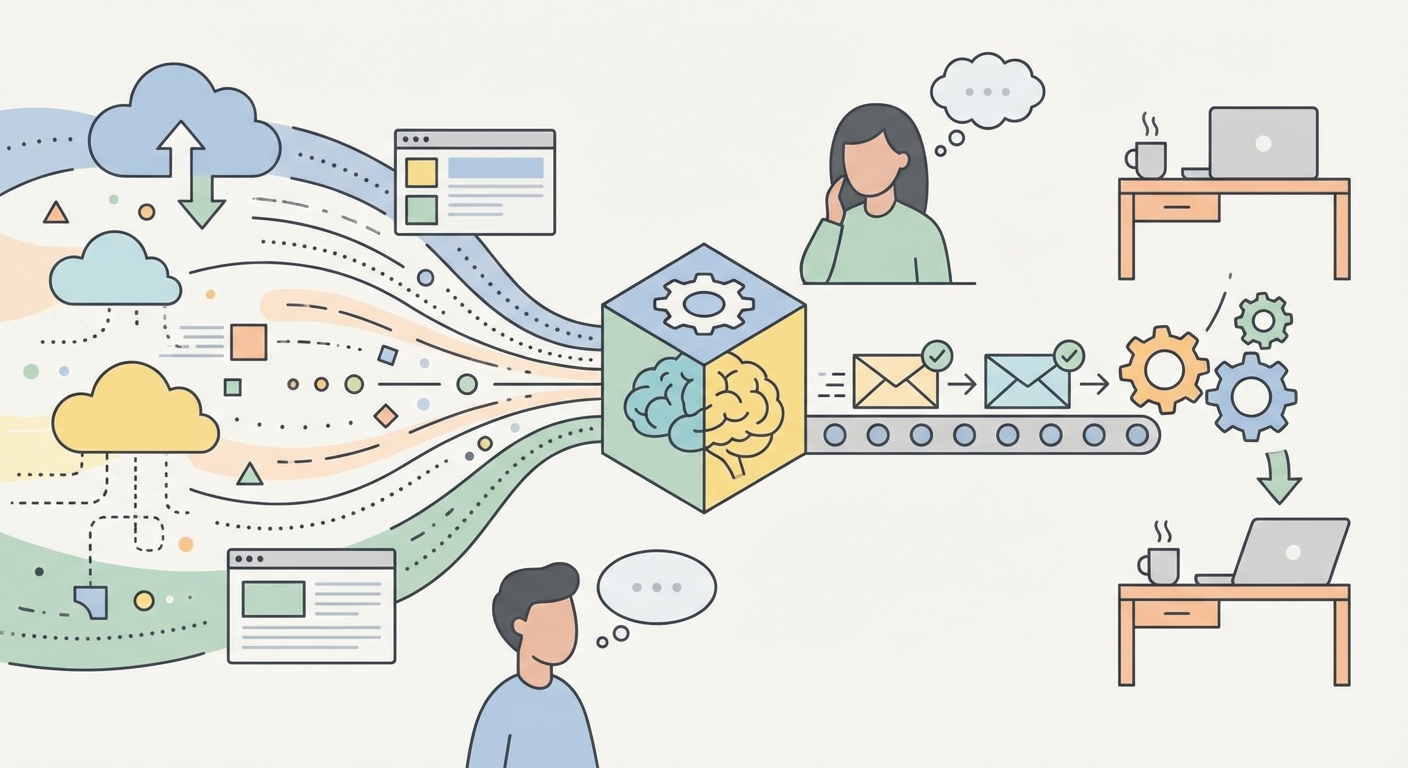
This is where specialized ai developers like Compile7 come in to save our sanity. Instead of you being the data entry clerk, the tech does the heavy lifting. Imagine a system that records and logs duration in real-time just by "watching" or listening.
This works through computer vision (which "sees" movement) or voice-to-text technology that picks up on specific keywords. Don't worry about the "creepy" factor though—this is all done via secure, hipaa-compliant sensors that don't just stream video to the web. It's all encrypted and locked down.
By using ai to handle the boring stuff, bcba supervisors can actually focus on the human part of the job. It’s about getting those insights instantly so you can pivot the lesson right then and there.
Beyond efficiency, this shift also makes the data more "human" through better language, which we'll get into next.
How a behavior agent works with data
So, how does an ai agent actually "think" when it sees a mountain of behavioral data? It’s not just magic; it is basically a super-powered pattern spotter that never gets tired or distracted by a ringing phone.
To understand this, you first gotta know the ABCs. In aba, the ABC contingency stands for Antecedent (what happened before), Behavior (the action), and Consequence (what happened after)—it's the bread and butter of how we track why things happen.
- Spotting the "Why": The agent looks at the ABCs automatically. While these systems are used in retail or finance to track patterns, here they are adapted for behavioral health. It might notice that a student gets frustrated only when the room noise hits a certain decibel, even if the teacher didn't catch the volume change.
- Predicting the future: By using predictive analytics, the system can warn a bcba that a "burst" is likely to happen next Tuesday. It does this by integrating with parent-reported logs or wearable tech (like a smart watch) that tracks sleep patterns. If a kid didn't sleep, the ai knows the behavior might spike.
- Industry-wide utility: This tech is used everywhere. In healthcare, ai helps predict patient falls, while in finance, it spots weird spending habits. But for us, it's all about the learner.

Nobody wants another app that doesn't talk to their current stuff. The real power comes when these agents plug directly into the tools you already use daily.
Integrating through an api means your electronic health records (ehr) stay updated without you re-typing everything. But, we gotta talk about the elephant in the room: privacy. According to the U.S. Department of Health & Human Services, maintaining hipaa compliance is non-negotiable when using tech for patient data.
Most enterprise ai tools use data encryption and "sandboxed" environments, so the learner's info stays private and isn't used to train some public model. It’s about being smart and safe at the same time.
This technical integration sets the stage for how this data actually turns into better, more respectful language for our reports.
The importance of person-centered language in ai
Ever feel like reading a medical report is like reading a list of everything a person can't do? It is honestly pretty depressing when you see someone you care about described only by their "deficits" and "problem behaviors."
This is why person-centered language is a big deal in aba. It’s about seeing the human first, not just the diagnosis. Using natural language processing (nlp), we can train an ai to catch us when we’re being accidentally rude or clinical in a way that strips away dignity.
- Flagging the "No-No" words: The agent can scan a draft and highlight terms like "non-compliant" or "suffers from." It suggests better ways to say things, like "chose not to follow a prompt" or "is diagnosed with."
- Focusing on Strengths: Instead of just counting how many times a student hit a desk, the ai can prompt the writer to include what they did right. Like, "Hey, you mentioned the meltdown, but did you notice they used their communication device three times today?"
- Consistency across the board: Whether it's a doctor in healthcare or a teacher in a school, nlp helps keep the tone respectful so the family doesn't feel like their kid is just a case number.
According to The Arc, using people-first language is essential for promoting respect and ensuring individuals with disabilities are not defined by their limitations.

I’ve seen how much better parents feel when they read a report that actually sounds like their child. Compile7 helps build these custom agents so the tech actually makes us more empathetic, not less.
While nlp keeps things human, we also gotta talk about how this all fits into the bigger picture of treatment and clinic operations.
Implementing behavior agents in your organization
So, you're probably wondering if all this high-tech stuff is actually worth the headache of switching over. Honestly, I've seen teams go from "we don't have time for this" to "how did we ever live without it" in just a few months.
The roi here isn't just about saving a few bucks on paper. It's about keeping your best people from quitting because they're drowned in paperwork. When an ai agent handles the heavy lifting, your staff actually gets to do the job they signed up for.
- Staff retention: High turnover is a massive drain on the bottom line; reducing that stress keeps talent in-house.
- Faster billing: Automated notes mean you aren't waiting weeks for a bcba to sign off on a session.
- Improved Clinical Outcomes: Because data is analyzed in real-time, learners master goals faster since supervisors can adjust programs the moment they stall, rather than waiting for a weekly review.

Looking ahead, the goal is scalability. You want a system that works just as well for one clinic as it does for fifty. But we gotta stay ethical. As mentioned earlier when discussing hipaa, keeping data "sandboxed" is the only way to go.
The tech is finally catching up to our needs. It's about making care more human, not less. Just remember to start small and pick tools that actually talk to your current api setup. It'll save you a lot of grief later on.