Evaluating the Evidence and Discourse on AI in Politics

TL;DR
- This article covers the multifaceted role of AI in politics, examining its applications in campaigning, policy-making, and also potential for manipulation. We'll also look at the ethical considerations, misinformation, and transparency that are essential to navigate in the age of AI. It's a guide for decision-makers needing a clear understanding of how AI impacts political landscapes.
The Rise of AI in Political Arenas
Okay, so ai in politics—kinda feels like a sci-fi movie plot, doesn't it? But it's like, actually happening. We're not talking about robots running for office (yet), but the tech is sliding into campaign strategies, policy stuff, and governance in ways that are both exciting and, well, a little spooky.
Think about it: ai can crunch massive datasets to figure out exactly who to target with what message. Forget broad-stroke advertising. This is hyper-personalization taken to a whole new level.
- Targeted ads? Check.
- Predicting how you feel about a candidate? Double-check.
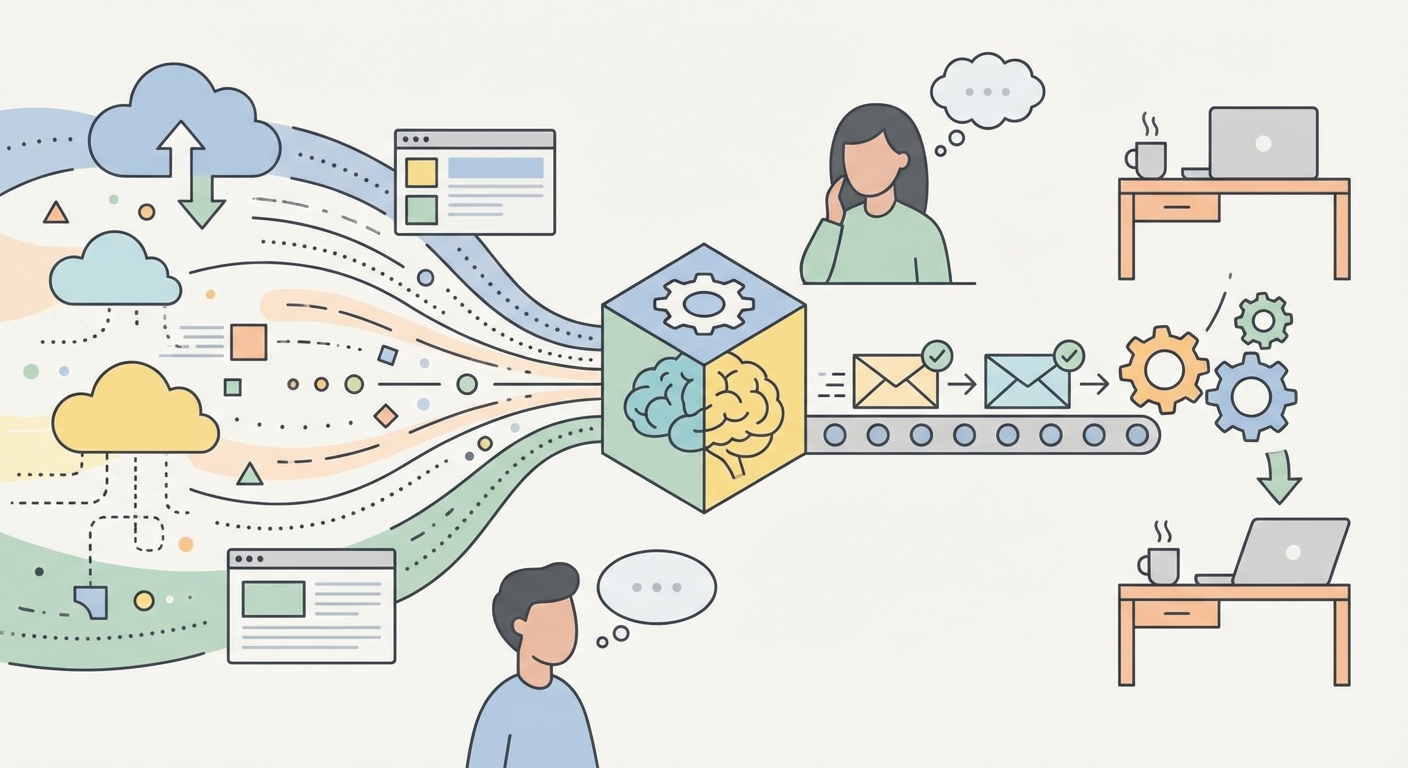
- Streamlining some boring government processes? Apparently, that's on the table too. For example, ai is being used to automate the processing of routine permit applications, speeding up approvals and freeing up human staff for more complex tasks. It's also helping to sort and analyze vast amounts of public feedback on proposed legislation, making it easier for lawmakers to understand constituent concerns.
It's not just about winning elections either. ai is poking its nose into policy recommendations, too. Analyzing data for urban planning, healthcare—you name it. In urban planning, ai can analyze traffic patterns, population density, and resource availability to suggest optimal locations for new infrastructure or public services. For healthcare policy, it can sift through patient data to identify trends in disease outbreaks or predict the effectiveness of different public health interventions. It's like having a super-powered research assistant that never sleeps. But, is it always right?
A 2024 study highlights how politicians use persuasive language, referencing "patriots" to evoke unity. The study, titled "Linguistic Devices Used to Persuade and Manipulate Audiences of Political Discourse in the 2020 US Presidential Election," showed how specific phrases were employed to foster a sense of shared identity and purpose.
It's a brave new world, and politicians are definitely taking notes. What's next, though? This is just the beginning.
Discourse and Manipulation: the Dark Side of AI
Okay, so ai's dark side in politics? It's like, we always knew some tech would get weaponized, right? But the speed at which it's happening is kinda freaky. However, this powerful technology also carries significant risks that we need to be aware of.
- Misinformation on steroids: AI can churn out fake news faster than fact-checkers can debunk it. (Generative AI is already helping fact-checkers. But it's proving less useful for small languages and) Think deepfakes of candidates saying crazy stuff right before an election.
- Echo chambers amplified: Algorithms are designed to keep you hooked, feeding you only the stuff you already agree with. (“Hooked by the Algorithm: How Social Media is Quietly Controlling Your Mind”) This can seriously ramp up political polarization.
- Bias baked in: ai isn't neutral, it's built by humans—and we all have biases. So, algorithms can end up reinforcing existing inequalities.
Remember the 2020 US election? A study showed how persuasive language was used to create unity; using phrases like "patriots." The study, titled "Linguistic Devices Used to Persuade and Manipulate Audiences of Political Discourse in the 2020 US Presidential Election," explored how specific linguistic choices aimed to foster a sense of shared identity.
So, what do you do? Next, we'll see how one company is trying to fight back with ethical ai solutions.
Ethical Considerations and the Need for Transparency
Alright, let's talk ethics, because ai in politics without 'em? Recipe for disaster, honestly. It's like giving a toddler a flamethrower – bound to end badly.
So, what's "ethical ai" even mean here? It's about making sure these systems are playing fair. Think:
- No sneaky biases: ai should not be amplifying existing inequalities, no matter what the data tries to tell it.
- Accountability is key: if an algorithm messes up, we need to know why and who to blame. Like, can't just shrug and say, "the ai did it".
- Transparency, please: People should know how these ai systems are reaching their conclusions. No more black boxes.
And it's not just about being nice. If people don't trust ai, they won't use it. Think about healthcare. If an ai suggests a treatment, patients need to understand the reasoning. I mean, are you going to blindly trust a machine with your health? This same principle applies to politics. If an ai is used to, say, recommend policy changes or even flag potential security threats, citizens need to understand the logic behind those recommendations. Without that transparency, trust erodes, and people are less likely to accept or engage with decisions made with ai's input, which is crucial for a functioning democracy.
So, what's next? How do we actually make ai trustworthy?
Future Implications and Recommendations
Okay, so what's next for AI in politics? Honestly, it's kinda hard to say, isn't it? I mean, who really knows what the future holds? But, uh, here's a few thoughts, anyway.
Predicting the future of ai in politics is like trying to guess next week's weather—tricky, to say the least. But, we can make some educated guesses.
- Expect ai to get even better at targeting voters with personalized messages. Think laser-precision advertising, but on a scale we haven't seen before. Scary, but effective?
- More "ethical ai" solutions will pop up to combat misinformation. But, who decides what's ethical? That's the million-dollar question, and it's not like everyone agrees on that, anyway. These solutions might involve ai systems designed to detect deepfakes, flag potentially misleading content, or even provide users with context about the source of information. The challenge is in defining what constitutes "ethical" and ensuring these systems aren't themselves biased or manipulated.
- We'll need ongoing research to monitor ai's impact on elections and policy. It's like, are these systems making things fairer, or just reinforcing existing biases?
And hey, continuous adaptation is key. The tech is moving fast, and we gotta keep up.
So, how do we keep ai from turning into a political monster? Well, a few things come to mind.
- Regulations are needed, but they can't stifle innovation. It's a tough balance, kind of like trying to drive a car while building it at the same time. Governments could, for example, mandate disclosure of ai-generated political content or establish independent bodies to audit ai algorithms used in public decision-making.
- We gotta teach people to spot fake news and think critically. Easier said than done, right? But, media literacy is our best defense against manipulation. This means investing in educational programs that equip citizens with the skills to evaluate information sources and identify propaganda.
- Governments, tech companies, and regular folks gotta work together. No one group can solve this alone; it's a team effort, for sure. Tech companies have a responsibility to develop and deploy ai ethically, governments need to create sensible regulations, and individuals need to be informed and engaged participants in the political process. This collaboration could involve public-private partnerships for developing ethical ai standards or citizen advisory boards to guide policy development.
And, don't forget about research ethics. It's like, if we're gonna study this stuff, we gotta do it right, you know?
Ultimately, navigating the ai landscape in politics will need both caution and a whole lot of collaboration. This means being vigilant about potential harms while actively seeking out and implementing solutions that promote fairness, transparency, and democratic values.