AI and Agentic AI in Education: Redefining the Future of Learning

TL;DR
- This article explores how artificial intelligence, particularly agentic AI, is changing education. It covers personalized learning experiences, automated administrative tasks, and enhanced student support, along with the challenges and ethical considerations of integrating AI into educational settings, offering insights into what the future of learning might look like.
Introduction: The Dawn of AI in Education
Okay, so, education's kinda at a crossroads, right? Can ai actually help?
The old ways of teaching are hitting some major walls. Think about it, class sizes are exploding, and teachers are swamped just trying to keep up. So, how do we fix this?
- Scalability is a HUGE issue. Can one teacher really give every student the attention they need when they’re juggling like, thirty kids? Doubt it. AI can help by automating tasks like grading, providing instant feedback, and offering supplementary learning resources, thereby reducing the teacher's individual workload and allowing them to focus on higher-impact interactions with students.
- Personalized learning? Forget about it. Everyone learns differently, but the system kinda forces everyone into the same box. Frustrating, right?
- Admin stuff is killing teachers. They're drowning in paperwork instead of, you know, actually teaching.
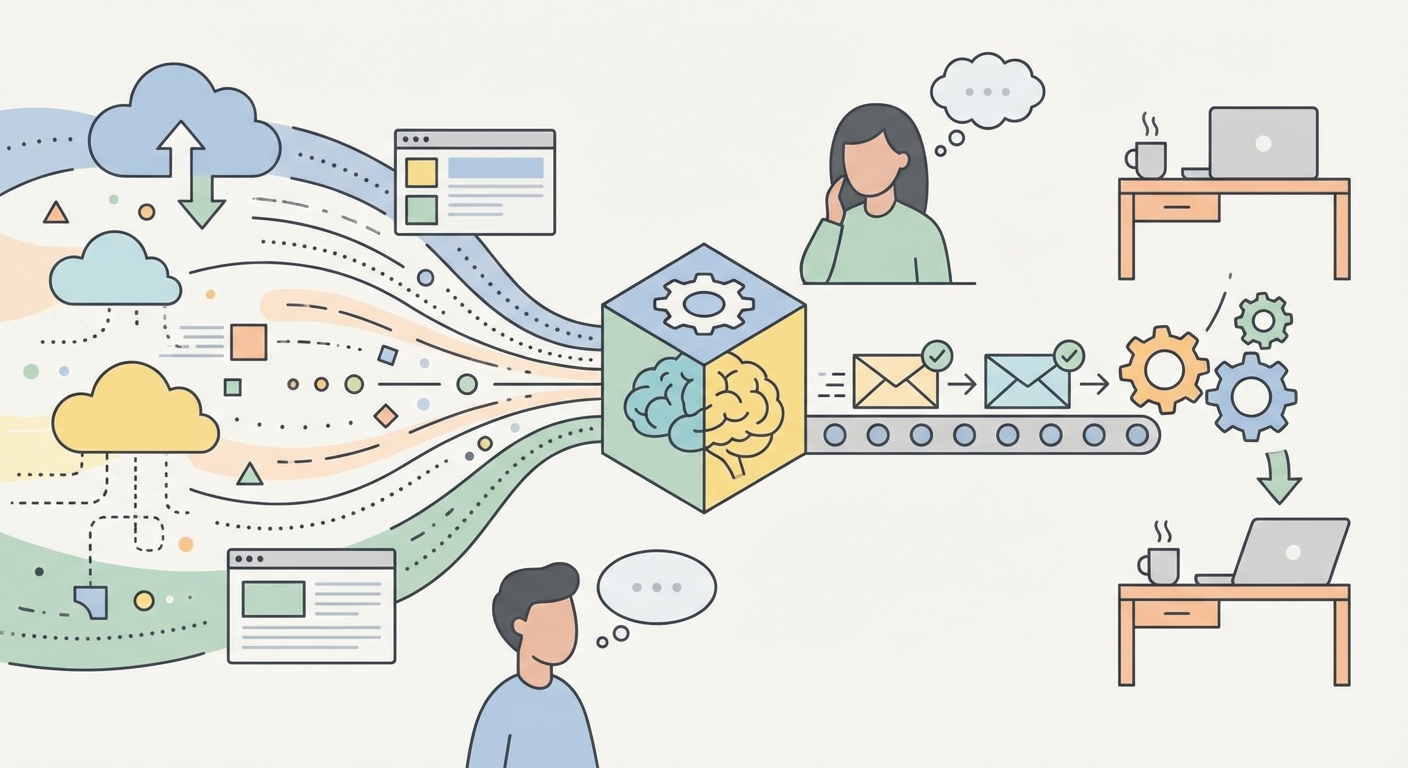
ai – or artificial intelligence if you wanna be all formal – refers to artificial intelligence systems capable of autonomous decision-making and action-taking to achieve specific goals. Unlike traditional AI, which often operates reactively or based on predefined instructions, agentic AI can exhibit initiative, plan, and adapt its behavior in dynamic environments. Agentic AI goes a step further by enabling systems to not only process information but also to autonomously make decisions and take actions to achieve goals. Unlike traditional AI, which might perform complex calculations or follow predefined rules, agentic AI can exhibit initiative and problem-solving capabilities without constant human oversight.
Agentic ai could seriously shake things up in education. Imagine:
- Super-personalized learning plans. An ai that figures out exactly how you learn best and adapts the lessons to fit.
- ai tutors that jump in before you fall behind. Not just flagging when you fail a test, but spotting the trouble spots early.
- Teachers freed from the grind. ai handles the boring stuff, so teachers can focus on, well, teaching, and connecting with students.
It's not about replacing teachers, understand? It's about giving them superpowers. Next up, we'll dive deeper into exactly how agentic ai pulls all this off.
How AI is Transforming Learning Experiences
Did you know that personalized learning can boost student achievement by, like, a lot? It's kinda wild how much difference it makes when you actually tailor stuff to how someone learns. Let's dive into how ai is making that happen.
- ai-driven adaptive learning platforms are seriously changing the game. These platforms use algorithms to assess a student's current knowledge and skills, then adjust the difficulty and content accordingly. Think of it like a GPS for learning – it figures out where you are and guides you on the best path forward. It's not a one-size-fits-all approach, which is awesome.
- Tailoring content isn't just about difficulty, though. It's also about catering to individual learning styles. Some people learn best by seeing, others by doing, and still others by reading. ai can analyze a student's interactions with the platform to figure out their preferred style and then present the material in a way that clicks for them.
- Successful implementations are popping up everywhere. While specific, universally applicable statistics can be challenging to present without extensive citation, many schools are reporting improvements in test scores and engagement levels when utilizing these AI-powered systems. Early adopters in K-12 districts and higher education institutions are reporting increased student engagement and improved retention rates in subjects like mathematics and language arts.
Imagine having a tutor available 24/7. That's what ai-powered tutoring systems are bringing to the table.
- Instant feedback is a huge part of it. These systems can analyze student responses in real-time and provide immediate guidance. No more waiting days for a teacher to grade your work – you get instant insights into what you did right and wrong.
- They can even simulate one-on-one tutoring experiences. By using natural language processing, these systems can have conversations with students, answer their questions, and provide explanations in a way that feels surprisingly human.
- The goal is to improve understanding and retention. And honestly, it works. When students get personalized attention and immediate feedback, they're more likely to grasp the material and remember it later.
Grading papers is the bane of every teacher's existence. ai can help.
- ai tools are now able to grade essays, exams, and even code. They can identify errors, assess understanding, and provide scores in a fraction of the time it would take a human.
- But it's not just about speed. These tools can also provide detailed feedback automatically. They can point out specific areas where a student struggled, suggest resources for further learning, and even tailor the feedback to the student's individual learning style.
- This, of course, significantly reduces teacher workload. Freeing them up to focus on what they do best: connecting with students and inspiring a love of learning.
So, that's how ai is changing the learning experience. Pretty cool, huh? Next, we'll get into how it's making education more accessible to everyone.
Agentic AI: Taking Education to the Next Level
Agentic ai in education? It's not just about fancy algorithms; it's about making education smarter, more responsive, and way more efficient. Think of it as giving schools a brain upgrade.
One of the coolest things agentic ai can do is identify students who are silently struggling before they completely fall behind.
- It's not just about flagging failing grades – agentic ai can analyze things like participation in online forums, time spent on assignments, and even the sentiment of their questions to spot potential problems early.
- Once a student is identified, the ai can automatically trigger interventions. This could mean suggesting extra practice problems, connecting them with a peer tutor, or even alerting the teacher to schedule a one-on-one meeting. It is like having a safety net that actually catches you before you fall.
- The end goal? Better student outcomes and higher retention rates. No more watching students slip through the cracks.
Curriculum design can feel like a shot in the dark sometimes, but agentic ai can bring some data-driven insights to the table.
- ai can analyze the effectiveness of different teaching methods and content formats by tracking student engagement and performance. It can figure out what works and what doesn't.
- Based on this analysis, the ai can suggest improvements and updates to course content. Maybe a certain video needs to be shorter, or a particular topic needs more real-world examples. By analyzing job market trends, industry reports, and the skills demanded in emerging fields, agentic AI can identify gaps in current curricula and suggest updates to ensure students are learning relevant, in-demand skills.
- This ensures the curriculum stays relevant, up-to-date, and aligned with industry needs. No more teaching outdated skills.
Let's be real, administrative tasks are a huge time-suck for educators. Agentic ai can step in and automate a lot of that drudgery.
- Think about scheduling, enrollment, and other administrative tasks. ai can handle all of it, freeing up teachers and staff to focus on what really matters: teaching and interacting with students.
Choosing a career path can be daunting, but agentic ai can help students navigate the options.
- ai can analyze a student's skills, interests, and academic performance to provide personalized career recommendations. It's like having a career counselor in your pocket.
- It can also connect students with relevant internships and job opportunities, giving them a head start on their career.
- The result? Improved career readiness and placement rates.
So, basically, agentic ai isn't just about automating tasks. It's about making education more proactive, personalized, and efficient. Next up, we'll explore how it can make education more accessible to everyone.
Challenges and Ethical Considerations
Okay, so ai in education sounds amazing, right? But- it's not all sunshine and rainbows, there's some serious stuff to think about.
First off, student data. We’re talking grades, learning habits, even maybe their interests. If that gets into the wrong hands? Nightmare fuel. You gotta protect that stuff, and make sure it complies with all the regulations. Think of regulations similar to HIPAA in healthcare, which sets strict standards for protecting sensitive patient information. Educational institutions need comparable frameworks to safeguard student data, ensuring privacy and security. Seriously, schools needs to be on top of thier game when it comes to cybersecurity.
- Protecting student data from unauthorized access is a must. Can you imagine a hacker getting a hold of student records?
- Ensuring compliance with data privacy regulations isn't just good practice; it's the law.
- Implementing robust security measures is the only way to keep the bad guys out.
Here's the thing: ai is only as good as the data it learns from. If that data is biased? The ai will be, too. And that can mean some students get a raw deal.
- Addressing potential biases in ai algorithms is an ongoing process.
- Ensuring fair and equitable outcomes for all students is non-negotiable.
- Promoting diversity and inclusion in the development and deployment of ai is essential.
Algorithmic bias can perpetuate existing inequalities if not carefully monitored and mitigated.
ai isn’t gonna replace teachers, but it will change what they do. Teachers needs to learn how to use these new tools, and schools needs to figure out how to keep that human touch in the classroom. This shift might involve teachers becoming facilitators of learning, guiding students through AI-curated content, focusing on developing students' socio-emotional skills, and providing personalized human support where AI falls short.
- Maintaining the human element in education is crucial for student well-being.
- Training educators to effectively use ai tools is an investment in the future.
- Redefining the role of teachers in the age of ai means focusing on mentorship and guidance.
What about students who don't have access to the latest tech? ai could widen the gap between the haves and have-nots if we aren't careful.
- Ensuring equitable access to ai-powered educational resources is a matter of social justice.
- Addressing the digital divide requires investment in infrastructure and training.
- Providing support for students without access to technology is essential for inclusivity.
So, yeah, ai in education is exciting. But we gotta go in with our eyes wide open. Next up, we'll talk about the future of learning with ai.
The Future of Learning: A Vision
Okay, so, what's the future gonna look like? Imagine schools that actually get you, not just the grades you pull.
- Expect way more ai-powered tools popping up. Think personalized learning platforms that adapt in real-time to how you learn, not just some canned curriculum. It's not just about what you learn, but how you learn it best.
- Learning is gonna get super personalized and adaptive. No more being stuck in a classroom bored out of your skull because the teacher's moving too slow – or totally lost because they're going too fast. ai can adjust the pace and content to fit your needs.
- Automation of admin tasks? Yes, please! Teachers can finally ditch the paperwork and actually, y'know, teach. Less time spent on grading and more time spent on helping students actually learn.
It's not just about using ai, it's about understanding it. We need to start teaching kids about ai itself, how it works, and what it means for the future.
- We need to teach students to develop skills that ai can't easily replicate – things like critical thinking, creativity, and complex problem-solving. The robots might take some jobs, but they ain't taking all of 'em.
- And honestly, we all need to embrace a lifelong learning mindset. The world is changing so fast that what you learn in school today might be obsolete tomorrow. Gotta stay curious and keep learning.
Basically, the future of learning is about making education more human, not less. It's about using ai to empower teachers and students, not replace them. Next up, we'll wrap things up with some final thoughts.
Conclusion: Embracing the AI Revolution in Education
Wrapping things up, huh? It's been a journey exploring ai's potential in education, and honestly, it's kinda mind-blowing. I mean, who would've thought we'd be talking about ai tutors and personalized learning plans just a few years ago?
Let's recap the main wins, shall we? It's not just about fancy tech; it's about making education better for everyone.
- Personalization on steroids: ai can tailor learning experiences to each student's unique needs, making sure no one gets left behind. Think about students with learning disabilities finally getting the support they need, or gifted students being challenged to reach their full potential.
- Efficiency boost for educators: From grading papers to managing administrative tasks, ai can free up teachers' time, allowing them to focus on what they do best: inspiring and mentoring students. Less burnout, more impact, you know?
- Improved student outcomes: With personalized learning and timely interventions, students are more likely to succeed academically and develop a lifelong love of learning. And that's what it's all about, right?
So, what's next? It's time for educators and policymakers to embrace ai, but with a healthy dose of caution.
- Let's get ethical: We need to make sure that ai is implemented responsibly and ethically, with a focus on data privacy, algorithmic fairness, and the human element. No one wants a dystopian future where robots are running the classroom.
- Invest in the future: Investing in ai-powered education is an investment in our future. By equipping students with the skills and knowledge they need to thrive in the 21st century, we're setting them up for success in a rapidly changing world.
- Empowering Teachers: It's critical that educators are given the resources they need to skillfully wield these new ai tools. This means training, support, and a seat at the table during development and implementation. Let's not forget that a teacher’s insight is invaluable.
Ultimately, the success of this revolution hinges on a human-centric approach, as aptly summarized by the sentiment: "The future of learning is not about replacing teachers with technology, but about empowering them with it."
The ai revolution in education is here, and it's full of potential. By embracing ai thoughtfully and responsibly, we can create a future where every student has the opportunity to reach their full potential. I mean, who wouldn't want that?